


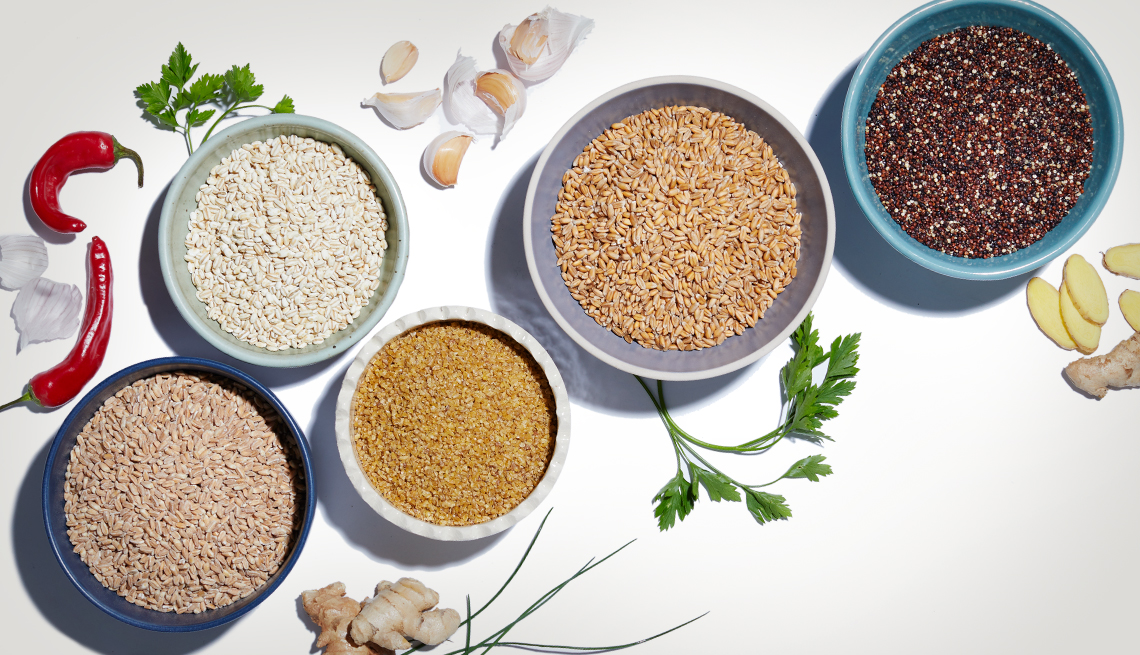
For decades, the modern diet has been dominated by highly refined grains. White flour, white rice, and processed corn products have filled grocery store shelves, offering convenience and a long shelf life at the cost of nutritional value. However, a major shift is occurring in the culinary and health worlds. Consumers are increasingly turning away from heavily processed ingredients and looking backward in time to reclaim ancient grains.
Ancient grains refer to a category of pseudocereals, heirloom wheats, and wild grasses that have remained largely unchanged by selective breeding and genetic modification for thousands of years. While modern wheat has been engineered for high yields and easy mechanical processing, ancient grains like farro, amaranth, quinoa, and millet retain their original genetic structures, deep nutty flavors, and dense nutritional profiles.
This resurgence is driven by a growing awareness of gut health, a demand for nutrient-dense whole foods, and a culinary appreciation for diverse textures and rich flavors. Embracing these grains is not just a passing dietary trend; it is a return to a more resilient and wholesome way of eating.
The Nutritional Powerhouse of Ancient Grains
Modern refining processes strip grains of their bran and germ, leaving behind only the starchy endosperm. This process removes the majority of the dietary fiber, essential vitamins, and minerals. Ancient grains are almost exclusively consumed in their whole form, meaning all three layers of the grain remain intact.
Superior Fiber and Protein Content
Ancient grains generally boast a significantly higher protein and fiber content than modern refined grains. Fiber is essential for maintaining a healthy digestive tract, regulating blood sugar levels, and promoting prolonged satiety. For instance, a single cup of cooked sorghum or teff provides a substantial portion of the recommended daily intake of dietary fiber. Furthermore, grains like quinoa and amaranth are classified as complete proteins, meaning they contain all nine essential amino acids that the human body cannot synthesize on its own. This makes them invaluable for plant-based diets.
Micronutrient Density
Beyond macronutrients, ancient grains are rich in vital minerals that are often lacking in standard Western diets. They are excellent sources of:
-
Magnesium: Crucial for muscle function, nerve transmission, and bone health.
-
Iron: Essential for oxygen transport in the blood and cellular energy production.
-
Zinc: A key mineral for immune system support and metabolic function.
-
B Vitamins: Necessary for converting food into usable cellular energy.
Exploring Key Ancient Grains: Profiles and Flavor Notes
To successfully integrate ancient grains into a modern kitchen, it helps to understand their unique flavor profiles, textures, and traditional uses.
Quinoa: The Andean Superfood
Though technically a seed, quinoa is treated as a grain due to its nutritional profile and culinary versatility. Originating from the Andean region of South America, quinoa has become a household staple due to its quick cooking time and mild, slightly nutty flavor. It possesses a light, fluffy texture with a slight crunch, making it an excellent base for salads, bowls, and breakfast porridges.
Farro: The Grain of Ancient Rome
Farro is an ancient heirloom wheat that was a staple food for Roman legions. It has a distinctively chewy texture and a rich, earthy, nutty flavor. Because it contains gluten, it is not suitable for individuals with celiac disease, but many people find it easier to digest than modern hybrid wheat. Farro holds its shape remarkably well during cooking, making it perfect for soups, stews, and grain-based side dishes.
Amaranth: The Sacred Aztec Seed
Like quinoa, amaranth is a pseudocereal native to Mesoamerica, where it held deeply religious significance for the Aztecs. Amaranth seeds are exceptionally small and develop a gelatinous porridge-like texture when boiled. When heated dry, the seeds pop like miniature popcorn. Amaranth has an earthy, slightly peppery flavor and is exceptionally high in calcium and squalene, a compound beneficial for skin health.
Millet: The Resilient Staple
Millet is a group of small-seeded grasses widely cultivated across Asia and Africa for millennia. It is highly drought-resistant, making it an environmentally sustainable crop choice. Millet has a mild, corn-like flavor and can be prepared in two distinct ways: cooked with less water for a fluffy, rice-like consistency, or simmered with more liquid to create a creamy mash similar to polenta.
Teff: The Tiny Powerhouse from East Africa
Teff is the foundational grain of Ethiopian cuisine, best known for its role in making the fermented flatbread called injera. The seeds are roughly the size of a poppy seed, meaning the entire grain is always consumed whole. Teff ranges in color from ivory to dark brown and features a complex flavor profile reminiscent of molasses and hazelnut. It is incredibly rich in iron and calcium.
Sorghum: The Versatile Giant
Sorghum is native to Sub-Saharan Africa and has become a vital crop globally due to its adaptability to harsh climates. It features a round shape and a neutral, slightly sweet flavor. Sorghum can be boiled whole, ground into a gluten-free flour for baking, or popped like corn.
Culnary Applications: How to Cook and Use Ancient Grains
Incorporating ancient grains into daily meals does not require advanced culinary training. They can easily replace white rice, pasta, or processed breakfast cereals in standard recipes.
The Basic Boiling Method
Most ancient grains can be prepared using a simple simmering method similar to cooking rice. The general ratio involves combining the grain with water or broth, bringing it to a boil, reducing the heat, covering the pot, and simmering until the liquid is absorbed.
| Grain | Liquid-to-Grain Ratio | Cooking Time (Minutes) |
| Quinoa | 2:1 | 15 |
| Farro | 3:1 | 30-40 |
| Millet | 2.5:1 | 20 |
| Sorghum | 3:1 | 45-60 |
| Teff | 3:1 | 15-20 |
Elevating Flavor Through Toasting
To maximize the flavor of ancient grains, always dry-toast them in a skillet over medium heat for 3 to 5 minutes before adding any cooking liquid. You will know they are ready when they release a fragrant, nutty aroma. This simple step caramelizes the natural sugars and oils within the grains, significantly enhancing the depth of the final dish.
Creative Culinary Uses
-
Grain Bowls: Create a nutritious base using farro or quinoa, then layer with roasted vegetables, a lean protein, and a vibrant vinaigrette.
-
Soups and Stews: Add whole sorghum or farro during the last 30 minutes of cooking a soup. They absorb the broth flavors without becoming mushy or waterlogged.
-
Baking and Breading: Use millet or popped amaranth to add a crunchy coating to baked chicken or tofu, or blend teff flour into pancake and muffin batters for a rich flavor boost.
Environmental and Sustainability Benefits
Beyond personal health, the cultivation of ancient grains offers significant advantages for the planet. Modern agriculture relies heavily on monoculture farming, specifically growing vast fields of a single modern wheat or corn variety. This practice depletes soil nutrients and increases vulnerability to pests and climate fluctuations.
Ancient grains are naturally hardy and resilient. Species like millet and sorghum require significantly less water than modern wheat or rice, allowing them to thrive in arid regions prone to drought. Furthermore, their deep root systems help prevent soil erosion and improve soil structure over time. By incorporating a wider variety of these grains into our global food systems, we support biodiversity, reduce reliance on synthetic fertilizers, and build a agricultural framework that is better equipped to withstand climate variability.
Frequently Asked Questions
Which ancient grains are completely gluten-free?
Quinoa, amaranth, millet, teff, sorghum, and wild rice are entirely gluten-free. While they can safely be consumed by individuals with celiac disease or non-celiac gluten sensitivity, it is always wise to check packaging labels to ensure the grains were not processed in a facility that handles wheat, barley, or rye.
Can ancient grain flours be used as a direct one-to-one replacement for white flour in baking?
Generally, no. Gluten-free ancient grain flours like teff, sorghum, or millet lack the elastic gluten network required to give structure and rise to traditional yeast breads. When baking, it is best to substitute up to 25 to 30 percent of the regular flour with ancient grain flour to add flavor and nutrients without ruining the texture. For entirely gluten-free baking, you must use a formulated blend that includes starches and binding agents like xanthan gum.
How should raw ancient grains be stored to prevent them from going bad?
Because ancient grains retain their nutrient-rich germ and bran layers, they contain natural oils that can spoil over time if exposed to heat, light, and air. Store dry grains in airtight glass jars or containers in a cool, dark pantry for up to six months. For longer storage, keep them in the refrigerator or freezer, where they will remain fresh for up to a year.
What causes quinoa to sometimes taste bitter, and how can that be fixed?
Quinoa is coated in a naturally occurring chemical compound called saponin, which acts as the plant’s natural defense mechanism against insects and birds. Saponin has a bitter, soapy taste. To remove it, thoroughly rinse raw quinoa in a fine-mesh colander under cold running water for 60 seconds, rubbing the seeds together with your fingers before cooking. Many brands sell pre-rinsed quinoa, but an extra rinse ensures a clean flavor.
Are ancient grains safe and healthy for infants and young children?
Yes, ancient grains are highly beneficial for growing children due to their dense vitamin and mineral content. Grains like teff and amaranth are easily digestible when cooked into a smooth, creamy porridge. Teff is particularly helpful for toddlers because of its exceptionally high iron content, which supports healthy cognitive development.
Why does farro sometimes have different cooking times listed on different packages?
Farro is sold in three primary forms depending on how much of the grain has been processed: whole, pearled, or semi-pearled. Whole farro retains the entire bran layer and requires the longest cooking time, often needing an overnight soak. Pearled farro has the bran completely removed, which significantly reduces the cooking time to around 20 minutes but eliminates some of the fiber content. Semi-pearled farro strikes a balance between the two.
Can ancient grains be prepared ahead of time as part of a weekly meal prep routine?
Ancient grains are ideal for meal prepping. You can cook a large batch of grains like farro, sorghum, or quinoa over the weekend, let them cool completely, and store them in the refrigerator for up to five days. They hold their texture well and can be eaten cold in salads or quickly reheated in a skillet with a splash of water or olive oil for hot meals throughout the week.