
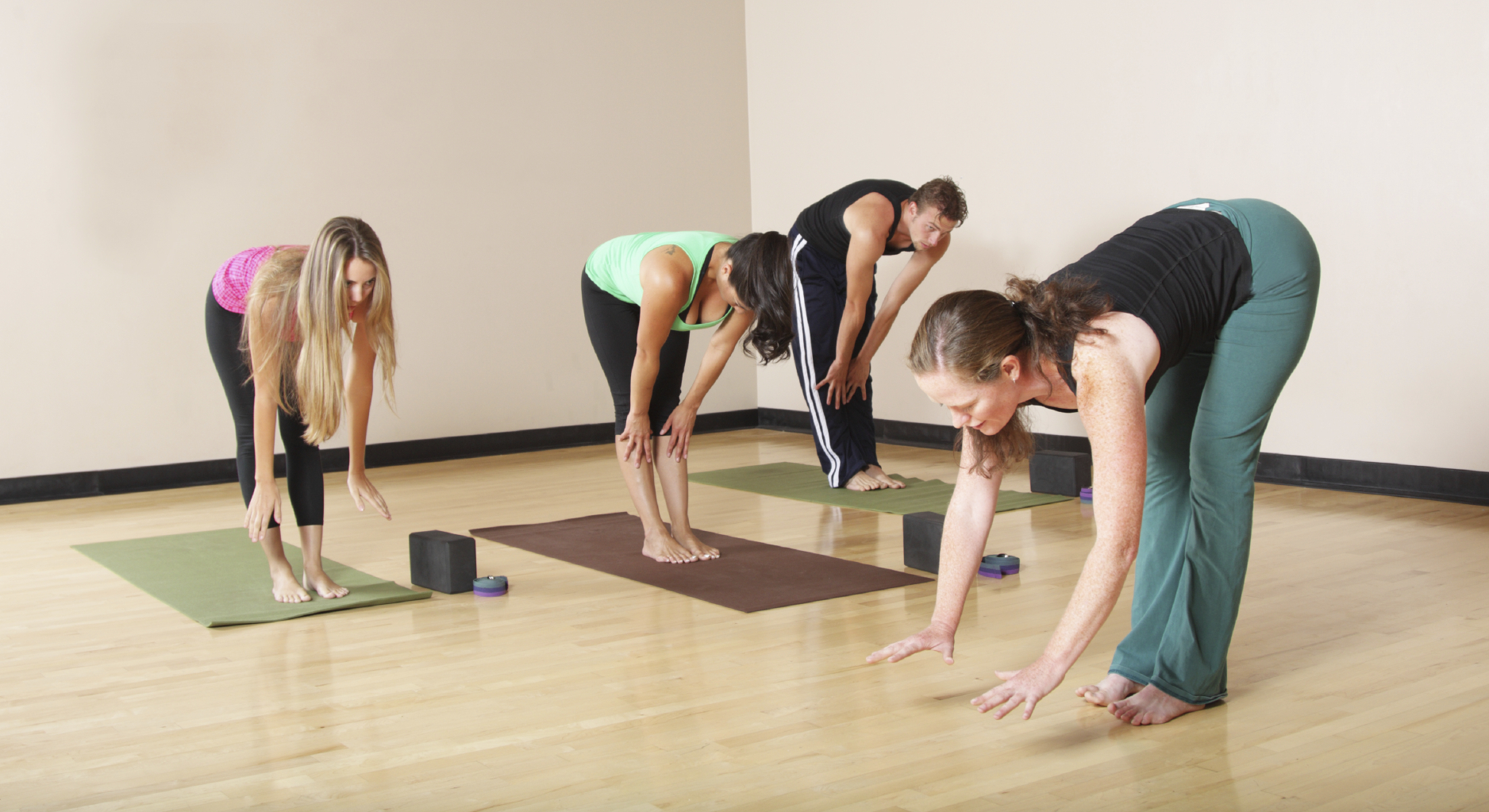
Food timing can make a major difference in how a yoga class feels. Eat too much, and the body may feel heavy during twists, folds, and core work. Eat too little, and the mind may feel distracted or the body may feel weak. This is why someone looking for a yoga studio near me should also think about how to plan meals around class timing.
A nearby studio makes yoga easier to attend, but meal planning still matters. Many people rush from work, errands, or home responsibilities into class without considering what they have eaten. A little planning can improve comfort, energy, and recovery.
Why Yoga and Heavy Meals Do Not Mix Well
Yoga includes movements that involve the abdomen, spine, hips, and breath. If the stomach is too full, these movements can feel uncomfortable. Forward folds may feel restricted. Twists may feel unpleasant. Inversions or core work may feel heavy.
Heavy meals can also make the body sluggish. A person may spend the class waiting for it to end instead of focusing on movement.
This does not mean people should avoid eating. It means timing and food type matter.
The Best Meal Timing Before Class
A full meal is usually best eaten two to three hours before yoga. This gives the body time to digest. If the class is closer, a lighter snack may be better.
For example, someone attending an evening class after work may eat a balanced lunch, then have a small snack about an hour before class. Someone attending a morning class may prefer a light fruit snack or may practice before breakfast if that suits their body.
There is no one rule for everyone. The right timing depends on digestion, class intensity, and personal energy needs.
Light Snacks That Work Before Yoga
A pre-yoga snack should be easy to digest and provide steady energy. Good choices may include a banana, toast, yogurt, a few dates, a small smoothie, oats, or fruit with a small portion of nuts.
People should be careful with large servings, fried foods, carbonated drinks, and very spicy meals close to class. These may be enjoyable at other times, but they can interfere with comfort during yoga.
The best snack is one that gives energy without drawing attention to the stomach.
Hydration Before a Nearby Class
When a studio is close by, people may rush into class at the last minute. This can lead to poor hydration. In Singapore’s climate, hydration is important even before exercise begins.
It is better to drink water steadily throughout the day rather than drink too much immediately before class. A large amount of water right before movement can feel uncomfortable.
For sweat-heavy practices, people may need extra attention to fluids. Electrolytes can help some individuals, but simple hydration and balanced meals are enough for many.
Eating After Yoga
After class, the body needs recovery. The meal should match the type of practice. A gentle class may require only a normal meal. A strong or heated class may call for more attention to protein, carbohydrates, and minerals.
Good post-yoga meals can include rice bowls, soups, lentils, eggs, tofu, fish, lean meat, vegetables, or yogurt-based options. The goal is to nourish the body without overeating from sudden hunger.
For late evening classes, people should choose meals that satisfy without making sleep difficult. Heavy fried foods late at night may not support recovery well.
Planning Meals for Different Class Times
Morning classes may work best with light food or no food, depending on the person. Midday classes require more planning because they may fall between meals. Evening classes are often the trickiest because people may arrive hungry after work.
For evening yoga, it can help to eat a balanced lunch and keep a simple snack available. This prevents extreme hunger before class and overeating afterward.
Weekend classes may allow more flexibility, but heavy brunch before yoga can still feel uncomfortable.
Listening to the Body
Yoga helps people become more aware of how food affects them. A person may notice that certain foods make them feel heavy. Another may realize that skipping food leads to poor focus. Someone else may find that hydration improves energy.
This awareness can create better eating habits without strict dieting. The body becomes the guide.
It is useful to observe:
- How energy feels during class
- Whether digestion feels comfortable
- Whether thirst becomes distracting
- How hunger feels after practice
- Whether sleep is affected by late meals
These observations help people build a personal routine.
Why Nearby Yoga Makes Meal Planning Easier
When a yoga studio is nearby, meal planning becomes more predictable. People can build class timing into their day. They know when to eat, when to hydrate, and when to leave.
This removes much of the stress around wellness habits. A local class can become part of a balanced routine that includes food, movement, and recovery.
Building a Sustainable Food and Yoga Rhythm
A healthy yoga routine should not feel extreme. People do not need complicated meal plans or strict food rules. They need timing that supports comfort and energy.
For those building a steady practice in Singapore, Yoga Edition can fit into a practical wellness lifestyle where nearby classes, smart meal timing, hydration, and recovery work together.
FAQs
Should I eat before a yoga class?
Yes, if your body needs energy. Just avoid heavy meals too close to class.
What should I eat after yoga?
A balanced meal with protein, carbohydrates, vegetables, and fluids can support recovery.
Can I drink coffee before yoga?
Some people can, but too much caffeine may make the body feel restless or dehydrated. It depends on personal tolerance.