The true essence of culinary artistry lies not just in texturing ingredients, but in capturing and manipulating aroma. When we smell a dish, our olfactory system processes hundreds of volatile organic compounds that dictate our perception of flavor. Traditional high-heat cooking methods like searing, roasting, or rapid boiling often destroy these delicate molecules, sending them evaporating into the kitchen air rather than preserving them in the food.
Low-heat steaming offers a precise, scientifically grounded alternative. By controlling the thermal energy applied to ingredients, chefs can gently liberate volatile aromatics without triggering the thermal degradation that mutes their complex profiles. This technique bridges the gap between molecular gastronomy and traditional cooking, providing a reliable framework for maximizing flavor density.
The Science of Volatile Aromatics
Volatile aromatics are lightweight, low-boiling-point molecules responsible for the distinct scents of herbs, spices, vegetables, and proteins. These compounds include terpenes in citrus and herbs, aldehydes in fruits, and pyrazines in roasted elements.
When food is subjected to heat, these compounds gasify. If the heat is too intense, the rate of vaporization exceeds the food matrix’s ability to retain them. High-temperature steaming creates violent vapor movement that strips these delicate molecules away, a process known as steam distillation.
Low-heat steaming alters this dynamic. By maintaining the ambient cooking environment below the boiling point of water, usually between 140 degrees Fahrenheit and 180 degrees Fahrenheit, the kinetic energy within the cooking chamber remains low. This allows the cellular structure of the food to soften gradually, releasing the aromatics into the immediate moisture boundary layer surrounding the food without forcing them to escape into the atmosphere.
Equipment and Setup for Controlled Steaming
Achieving the precision necessary for low-heat steaming requires specific equipment capable of maintaining stable, sub-boiling temperatures.
-
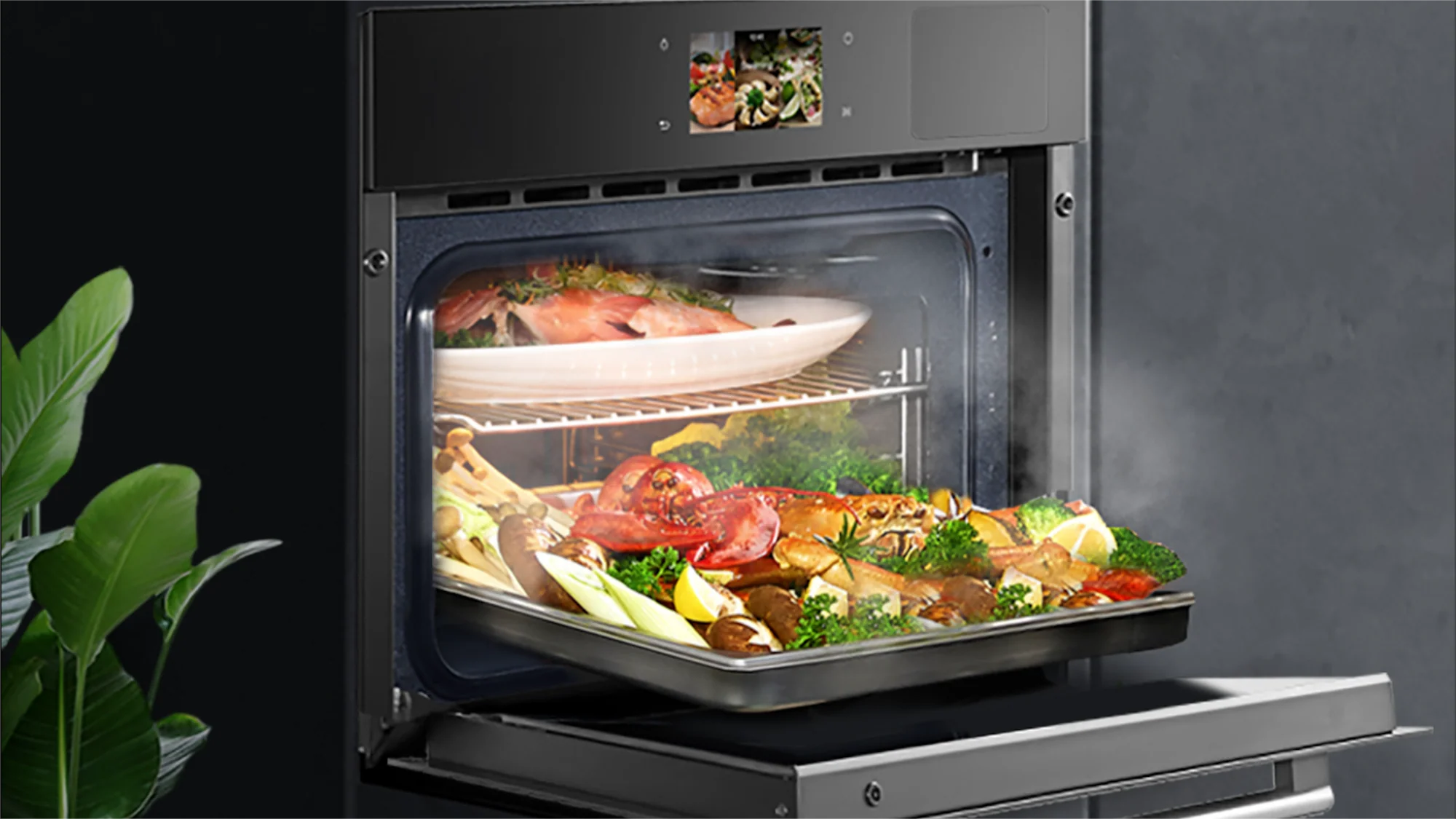
Combustion or Electric Combi Ovens: These professional units allow chefs to control both relative humidity and exact ambient temperature, making them ideal for precise vapor management.
-
Immersion Circulators (Sous Vide): While typically used for water baths, an immersion circulator can be adapted to create a controlled vapor chamber when combined with a sealed, elevated rack system inside a covered vessel.
-
Modified Traditional Steamers: A standard bamboo or metal steamer can be used if placed over a heat source regulated by a digital temperature controller, ensuring the water below produces gentle vapor rather than a rolling boil.
The setup must prevent condensation from dripping directly back onto the food, as this can wash away the water-soluble aromatic compounds accumulating on the surface.
Step-by-Step Technique for Low-Heat Steaming
Executing this method requires careful preparation and monitoring to ensure the ingredients reach safety thresholds while preserving their aromatic integrity.
1. Ingredient Preparation and Surface Area Optimization
To maximize the release of aromatics, ingredients should be cut uniformly. Finer cuts increase the available surface area, allowing volatile compounds to escape the cellular matrix easily at lower temperatures. For delicate proteins like fish, keeping the skin on one side can help retain internal juices that house these compounds.
2. Chamber Preheating and Stabilization
Before introducing the food, stabilize the steaming chamber at the target temperature. For green vegetables and delicate herbs, a temperature of 150 degrees Fahrenheit is ideal. For poultry or seafood, the chamber should be set between 165 degrees Fahrenheit and 175 degrees Fahrenheit.
3. Implementing the Aromatic Layering
Place a bed of supportive aromatics, such as lemongrass, ginger, or thin citrus wheels, directly underneath the primary ingredient. As the gentle vapor rises, it passes through this aromatic bed, carrying these supplementary volatile compounds upward to bond with the surface of the main ingredient.
4. Monitoring Internal Temperatures
Because low-heat steaming takes longer than conventional steaming, using a digital probe thermometer is critical. The goal is to match the internal temperature of the food to the ambient chamber temperature precisely, ensuring even cooking without thermal shock.
Comparative Analysis of Steaming Methods
The structural and aromatic differences between high-heat and low-heat steaming are distinct, as detailed below:
| Attribute | Traditional High-Heat Steaming | Precision Low-Heat Steaming |
| Temperature Range | 212 degrees Fahrenheit and above | 140 to 180 degrees Fahrenheit |
| Vapor Velocity | High, turbulent | Low, laminar |
| Aromatic Retention | Low; volatiles escape into the room | High; volatiles remain bound to food |
| Cellular Texturing | Rapid breakdown, potential mushiness | Gradual softening, crisp or firm retention |
| Color Preservation | Dull chlorophyl oxidation | Vibrant, bright pigment retention |
Optimizing Specific Ingredient Categories
Different structural compositions react uniquely to low-heat vapor environments. Understanding these nuances ensures optimal execution across various food groups.
Delicate Seafood and Shellfish
Fish proteins coagulate rapidly when exposed to high heat, squeezing out moisture and driving off light esters. Steaming a fillet of white fish at 145 degrees Fahrenheit preserves the delicate, sweet aromatic notes inherent to the seafood while maintaining a flakey, moist texture that is impossible to achieve with boiling steam.
Fibrous Vegetables and Alliums
Alliums like leeks, onions, and garlic contain sulfur-based volatiles that can become harsh when cooked aggressively. Low-heat steaming allows these compounds to convert slowly into sweeter, more complex monosulfides. Fibrous vegetables like asparagus maintain their structural snap because the pectin chain within their cell walls breaks down at a highly controlled rate.
Leafy Herbs and Infusion Bases
When creating bases for sauces, steaming herbs like basil, cilantro, or mint at 140 degrees Fahrenheit prevents the blackening caused by polyphenol oxidase enzymes. This low thermal exposure liberates the essential oils without altering their raw, fresh aromatic profile.
Image Reference
To visualize the optimal alignment of equipment and ingredient placement during a low-heat steaming sequence, refer to the technical layout illustration below:
Frequently Asked Questions
What is the primary difference between steam distillation and low-heat steaming?
Steam distillation uses high-temperature, fast-moving steam to intentionally strip volatile oils away from a plant matrix to collect them elsewhere as essential oils. Low-heat steaming uses slow, sub-boiling vapor to gently warm the food matrix, keeping the volatile oils trapped within or bonded to the surface of the food rather than evaporating them away.
Can you safely cook poultry using a low-heat steaming method?
Yes, poultry can be safely cooked using this method provided the internal temperature reaches the pasteurization threshold. While traditional guidelines recommend 165 degrees Fahrenheit instantly, pasteurization can occur at lower temperatures held for longer periods, such as 150 degrees Fahrenheit held continuously for five minutes, which keeps the breast meat exceptionally tender and aromatic.
How does humidity management alter the retention of water-soluble aromatics?
If the humidity inside the chamber reaches complete saturation with heavy droplet formation, condensation will accumulate on the food and drip off, carrying water-soluble aromatics down into the waste water. By keeping the chamber at a slightly lower relative humidity or using a deflector shield, you ensure the vapor remains gasified enough to cook without creating an aggressive washing effect.
Why do green vegetables retain a brighter color under low-heat steam?
The bright green color in vegetables comes from chlorophyll. When subjected to high heat and acid, the magnesium atom at the center of the chlorophyll molecule is replaced by hydrogen, turning it into pheophytin, which has a dull olive-brown color. Low-heat steaming prevents this rapid chemical substitution, keeping the chlorophyll intact.
Is it necessary to tent ingredients when using a low-heat combi oven?
No, in a dedicated combi oven, the environment is mechanically regulated by sensors that manage the moisture levels and air movement. Tenting is only necessary when using rudimentary stove-top setups where you need to shield the food from erratic condensation drips falling from the lid of the pot.
Does low-heat steaming require more salt or seasoning than traditional methods?
It actually requires less seasoning. Because high-heat methods volatize and wash away many of the intrinsic flavor compounds of the food, chefs often rely on heavy salting to compensate for the lost complexity. Low-heat steaming preserves the natural salts, esters, and acids within the ingredient, allowing its authentic flavor to shine through with minimal intervention.