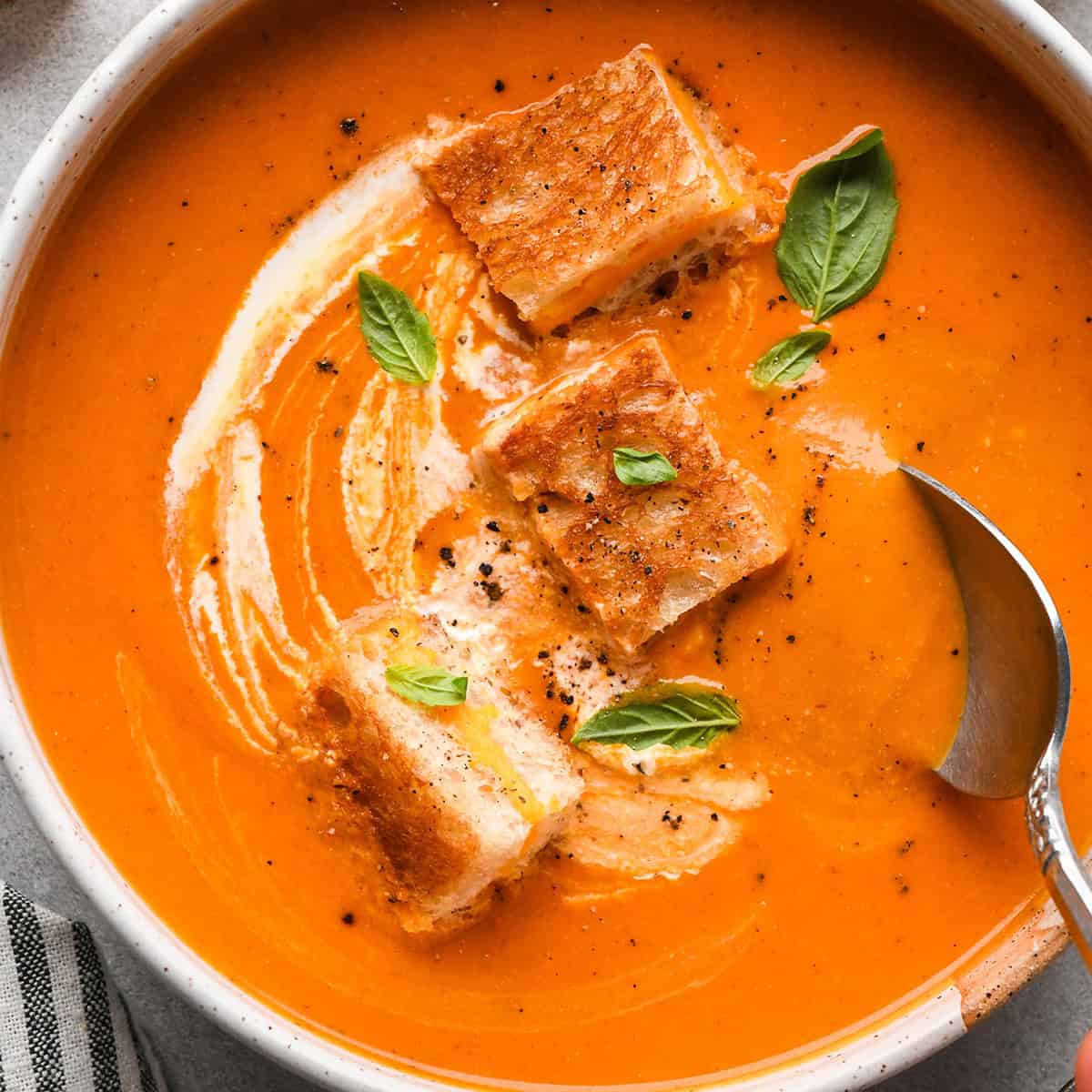
Soup occupies a permanent place in the global culinary landscape. It serves as both a rudimentary form of physical comfort and an expansive medium for complex chemical transformations. Nearly every culture utilizes some variation of simmering ingredients in water to extract nutrients, concentrate flavors, and preserve seasonal yields. Understanding the principles of soup production requires an exploration of food science, historical adaptation, structural classifications, and specific culinary techniques.
The Deep Roots of Liquid Sustenance
The practice of boiling food dates back thousands of years, predating the widespread availability of water-tight clay pottery. Early human societies utilized animal hides, hollowed-out tree trunks, and large seashells to hold water, dropping fire-heated stones directly into the liquid to bring it to a boil. This rudimentary method allowed our ancestors to soften tough meats, break down fibrous roots, and render marrow from animal bones that would otherwise be impossible to consume or digest.
As civilizations developed advanced metal and ceramic vessels, the efficiency of soup making increased dramatically. The word soup itself derives from the Germanic root sop, which originally referred to the piece of bread used to soak up thick stews or broths. Over centuries, soup evolved from a practical means of basic survival into a structured course in formal dining settings. By the eighteenth century, French chefs established the foundational classifications of modern culinary soups, distinguishing clear broths from thickened purées and bound emulsions.
The Chemistry of Flavor Extraction
The core mechanism of soup making relies on thermal extraction, where water acts as a solvent to dissolve organic compounds from meat, vegetables, and aromatic herbs. This process involves several distinct biochemical transformations.
Hydrolysis of Collagen
Tough cuts of meat contain high concentrations of connective tissue made of a protein called collagen. When subjected to prolonged heat in a liquid environment, this rigid protein breaks down into gelatin. Gelatin molecules form a loose matrix that traps water, giving the resulting broth a rich, velvety mouthfeel and structural body that plain water cannot provide.
Volatile Compound Release
Aromatic vegetables contain volatile compounds that dissolve in water and fat. As these ingredients simmer, their cell walls break down, releasing natural sugars and sulfur compounds. Managing the temperature is critical because excessive boiling can drive off these delicate aromas, leaving the broth flat, bitter, or devoid of character.
The Maillard Reaction
While simmering occurs at the boiling point of water, browning raw ingredients beforehand via roasting or searing triggers the Maillard reaction. This chemical reaction between amino acids and reducing sugars creates hundreds of new flavor compounds, adding deep, savory complexity to the liquid base before the water is ever introduced.
Structural Classifications of Culinary Soups
Professional culinary traditions divide soups into specific categories based on clarity, thickness, and the primary ingredients used to build the dish.
Clear Soups
Clear soups focus entirely on clarity and clean flavor profiles. They are unthickened and completely translucent.
-
Bouillon and Broth: Liquids brewed by simmering meat, bones, and vegetables together. Broth generally utilizes more meat, resulting in a distinct, light flavor, while bouillon serves as a concentrated clarification of these flavors.
-
Consommé: A highly refined broth that undergoes a precise clarification process. Chefs mix raw ground meat, egg whites, and aromatics into a cold broth, then heat it slowly. The proteins coagulate to form a physical filter called a raft, which floats to the top and traps all suspended microscopic particles, leaving a crystal-clear liquid behind.
Thick Soups
Thick soups possess an opaque appearance and a viscous texture, achieved through mechanical blending or the introduction of specific thickening agents.
-
Purées: These rely on the natural starches present in the main ingredients, such as potatoes, winter squash, or legumes. Simmered ingredients are processed mechanically until completely smooth.
-
Veloutés and Cream Soups: These are bound by a classic thickening agent, typically a roux, which is a cooked mixture of equal parts flour and fat. They are finished with cream or milk to enrich the final texture.
-
Bisques: Traditionally seafood-based soups thickened using a paste made from the ground shells of crustaceans like lobster, shrimp, or crab. Modern variations sometimes utilize rice or roux to achieve the signature smoothness.
Essential Building Blocks for Superior Flavor
Creating a balanced soup involves stacking flavors systematically, starting with the base liquid and moving all the way to the finishing garnishes.
The Fond or Stock Base
The foundation determines the ultimate quality of the soup. While water can be used for light vegetable varieties, high-quality stocks made from roasted or unroasted bones yield superior depth. White stocks utilize raw bones rinsed of impurities, resulting in a delicate profile, while brown stocks require roasting the bones and aromatics to maximize color and caramelized sugars.
The Aromatic Trinity
Most classic soups begin with a mixture of aromatic vegetables sautéed gently in fat to release their essential oils. In French cooking, this combination is mirepoix, consisting of two parts onion, one part carrot, and one part celery. Italian cuisine features soffritto, which often includes garlic and parsley cooked in olive oil. Cajun cooking relies on the holy trinity, substituting green bell peppers for carrots to accommodate regional flavor preferences.
Herbs and Acid Adjustments
Herbs are introduced based on their resilience to heat. Hard herbs like thyme, rosemary, and bay leaves are tied together in a bouquet garni or wrapped in cheesecloth, allowing them to simmer for hours without disintegrating. Soft herbs like parsley, cilantro, and basil degrade quickly under heat and are added during the final moments of cooking. A splash of citrus juice or vinegar added right before serving introduces acid, which brightens muted flavors and balances heavy fats.
Thermal Management and Cooking Equipment
The physical equipment and temperature control used during production directly impact the clarity and taste of the final product. Heavy-bottomed stockpots made of stainless steel or enameled cast iron are ideal for soup making. These materials distribute heat evenly, preventing hot spots that can scorch ingredients at the bottom of the pot. A tall, narrow shape limits surface area, minimizing evaporation over long cooking cycles.
Maintaining a gentle simmer rather than a rolling boil is mandatory for clear stocks and soups. A rolling boil agitates the ingredients, causing rendered fats and denatured proteins to emulsify into the liquid, which permanently clouds the broth. A low simmer allows these impurities to float to the surface, where the cook can easily skim them away using a ladle.
FAQs
What is the exact difference between a stock and a broth?
Stock is crafted primarily from animal bones that simmer for an extended duration to extract gelatin, resulting in a rich liquid used as a base for other dishes. Broth is made mostly from meat and vegetables cooked for a shorter period, yielding a lighter, seasoned liquid that is ready to be consumed as a finished soup on its own.
Why do potatoes sometimes turn grainy or watery when added to soups?
High-starch potatoes can break down completely if overcooked, releasing excessive starch molecules that make the liquid thick or grainy. Conversely, freezing soups containing large chunks of potatoes ruptures the vegetable cell walls, causing the water to separate from the starch matrix and leaving the potatoes mushy and watery upon thawing.
How can a soup that has been over-salted be corrected without altering the flavor?
The most reliable method to correct over-salting is dilution by adding more unsalted stock, water, or dairy components to lower the concentration of sodium. While a common culinary myth suggests dropping a raw potato into the pot absorbs excess salt, scientific testing shows potatoes absorb both water and salt equally, failing to alter the overall salinity ratio.
What causes a cream-based soup to curdle and separate during reheating?
Curdling occurs when the proteins in dairy products denature and clump together, separating from the fats and water. This is usually triggered by boiling the soup rapidly, adding cold dairy directly into a hot liquid, or introducing highly acidic ingredients like tomatoes or wine without a stabilizing starch like flour or cornstarch.
Can raw meat be added directly to a simmering soup pot safely?
Yes, raw meat will cook safely when submerged in a simmering liquid that maintains a constant temperature above the food safety threshold. However, searing the meat in a separate pan prior to adding it to the liquid is highly recommended to develop caramelized flavor compounds that raw boiling cannot produce.
How does the altitude of a kitchen affect the soup making process?
At higher elevations, atmospheric pressure is lower, causing water to boil at a temperature below the standard sea-level equivalent. Because the liquid cannot get as hot, ingredients like tough meats and fibrous legumes require significantly longer cooking times to tenderize completely.